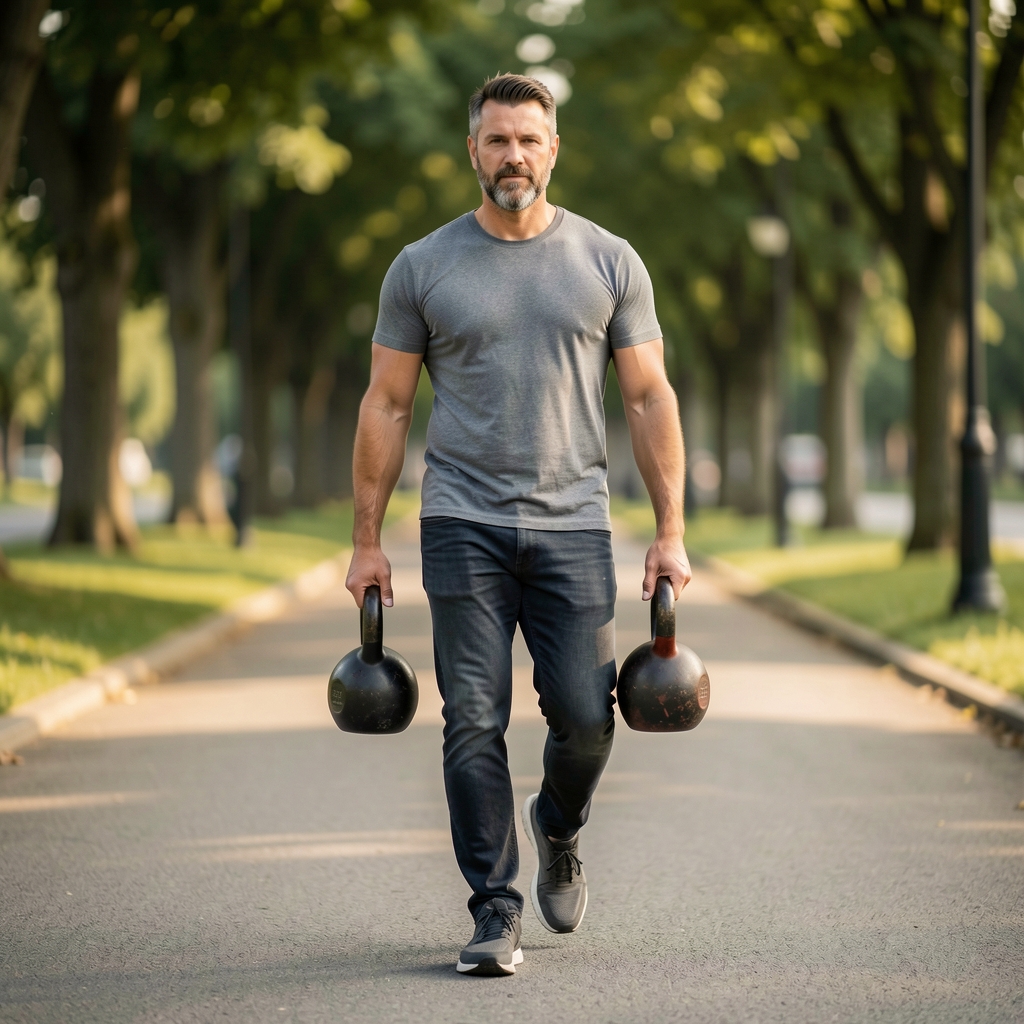
Carry
Carrying develops bracing, posture, grip, and calm movement under a manageable challenge.
Functional training is not a fixed list of fashionable exercises. It is a way to choose movements that connect with a person's goals, environment, and capacity.
Carrying develops bracing, posture, grip, and calm movement under a manageable challenge.
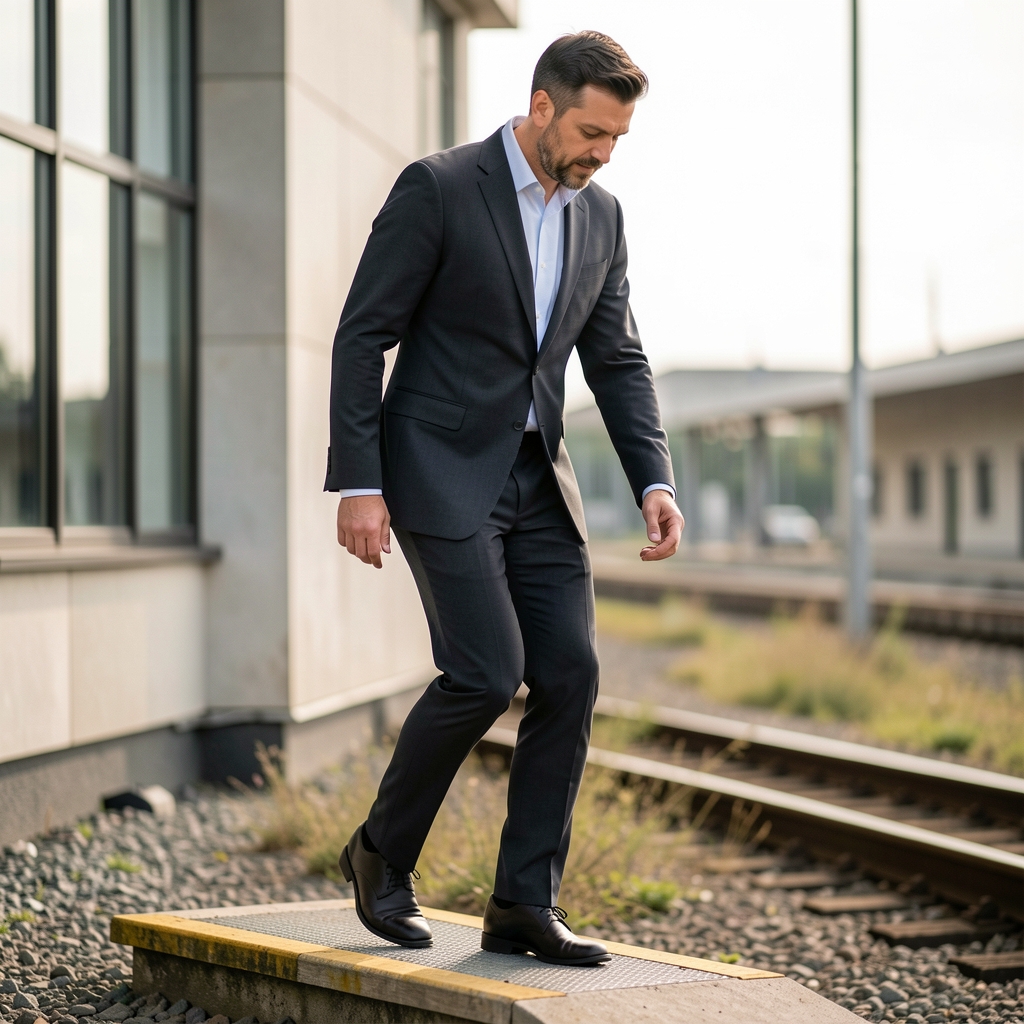
Step patterns relate to stairs, hills, and the uneven demands of ordinary travel.
“The most useful variation is the one that helps a reader understand and repeat the pattern.”
Equipment can make training interesting, but it should not hide the central question: can the person control the movement and recover from the dose?