
Strength with context
Understand load, tempo, joint position, and progression so each session has a reason.
SPORTS PHYSIOLOGY · FUNCTIONAL TRAINING · 35+
Zenith is an editorial guide to the science and practice of staying capable, strong, and curious beyond 35. Explore training principles, recovery habits, and physiological context without hype.
Explore programs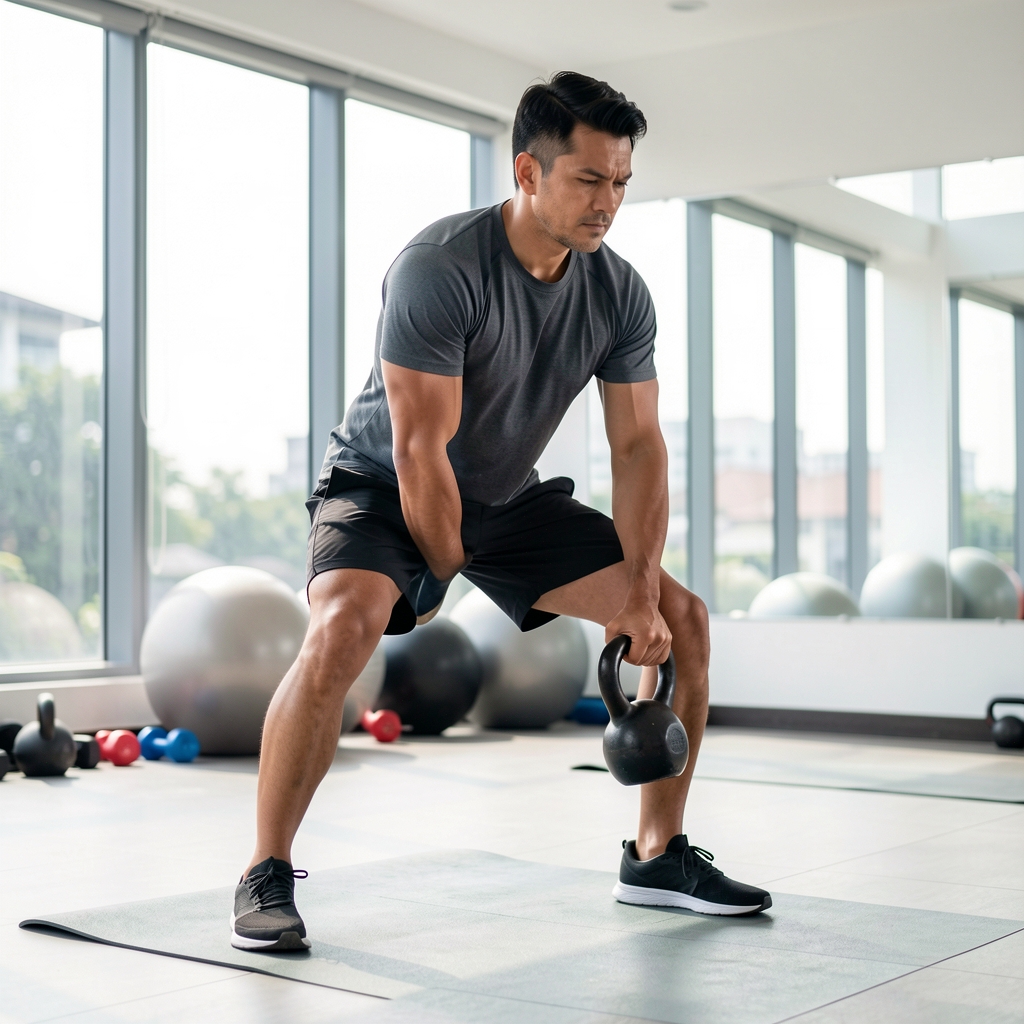
Understand load, tempo, joint position, and progression so each session has a reason.
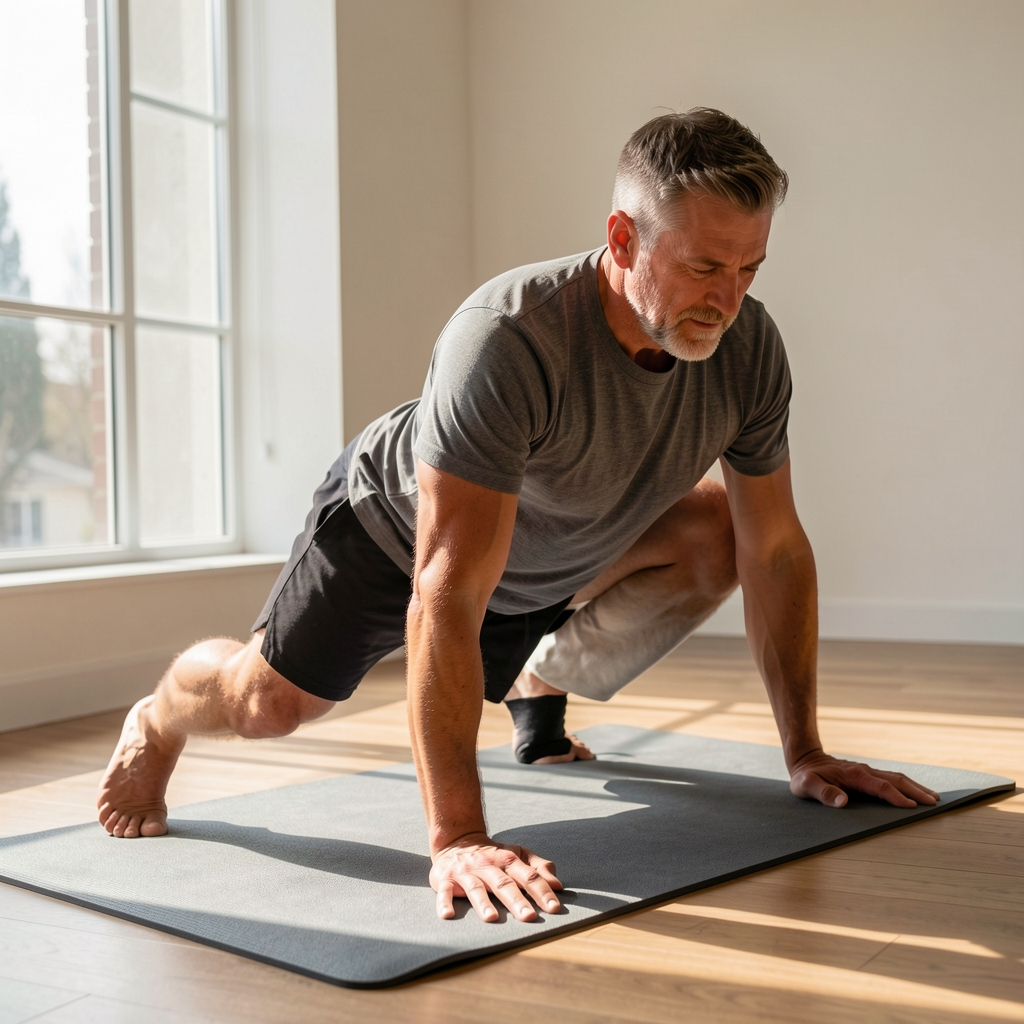
Use practical movement work to support lifting, walking, climbing, and everyday confidence.

Learn to interpret sleep, soreness, stress, and readiness without turning life into a spreadsheet.
the decade we study
core training lenses
editorial topic areas
current reference year
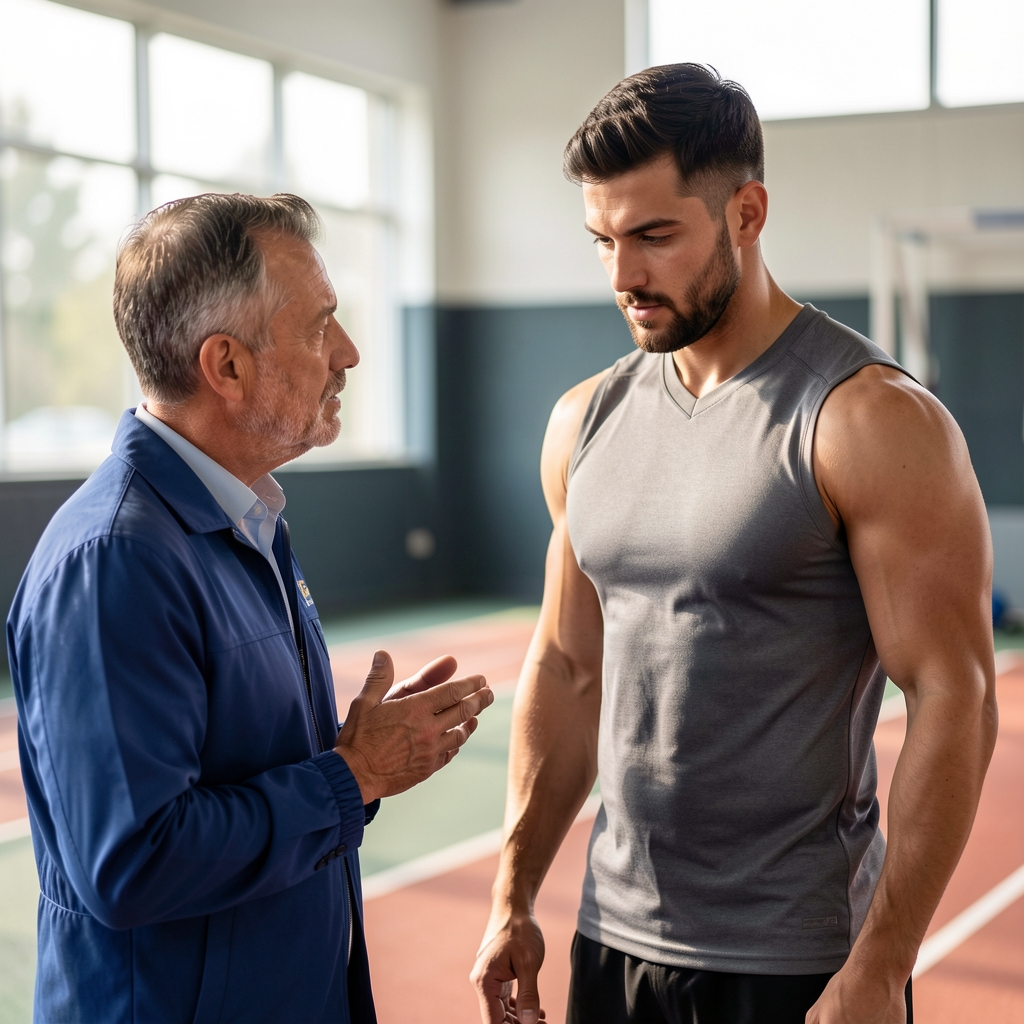
Age changes the context of training, not the possibility of progress. Tissue tolerance, cardiovascular response, work stress, and previous injuries all shape a useful plan. Our physiology section translates those ideas into calm, readable explanations.
Every article distinguishes established principles from questions still being investigated. That editorial habit helps readers make informed conversations with qualified professionals.
Read physiologyThere is no single correct weekly structure. The table below outlines three common emphases discussed in our training articles, along with the kind of reader each tends to suit.
| Weekly emphasis | Primary lens | Typical session count | Often suits |
|---|---|---|---|
| Strength-first | Load and tempo | 2–3 sessions | Readers returning after a long gap |
| Conditioning-led | Aerobic and work capacity | 3–4 sessions | Readers juggling travel or shift work |
| Hybrid rotation | Balanced strength and movement | 3–5 sessions | Readers training for daily-life demands |
Start with movement quality, current capacity, schedule, and the activities you want to keep doing.
Choose a small number of patterns and doses that can live comfortably inside a real week.
Use simple feedback to adjust volume, intensity, and recovery rather than forcing a preset.
Our editorial desk works with contributors who have backgrounds in exercise science, coaching, and sports medicine reporting. Articles are reviewed for clarity and for separating settled evidence from open questions.

Translates research on ageing, recovery, and cardiovascular adaptation into plain-language explanations.

Shares programming notes and movement cues drawn from years of working with adult trainees.
"The most useful question we ask in every program review isn't how much weight moved, but whether the person recovered well enough to show up again next week."
— Zenith Editorial Team, reflecting on program design discussed throughout our training section.
The amount of physical work a person can sustain across a session or week before quality declines.
Planned adjustment of training volume and intensity to match current recovery and life stress.
The ability to solve the same physical task in more than one way, often linked to joint resilience.
A day-to-day estimate of how prepared the body appears to handle planned training demands.
Effort is useful when paired with technique, breathing, and recovery signals. Our guides explain several ways to calibrate it.
Yes. Short, targeted exposures can support a larger program when they are connected to a movement goal.
Recovery context often becomes more important, while strength, coordination, and aerobic capacity remain trainable.
Begin with assessment, manageable patterns, and a clear reason for each exercise.

Why easy work can support harder training and a fuller life outside the gym. Published 2026.
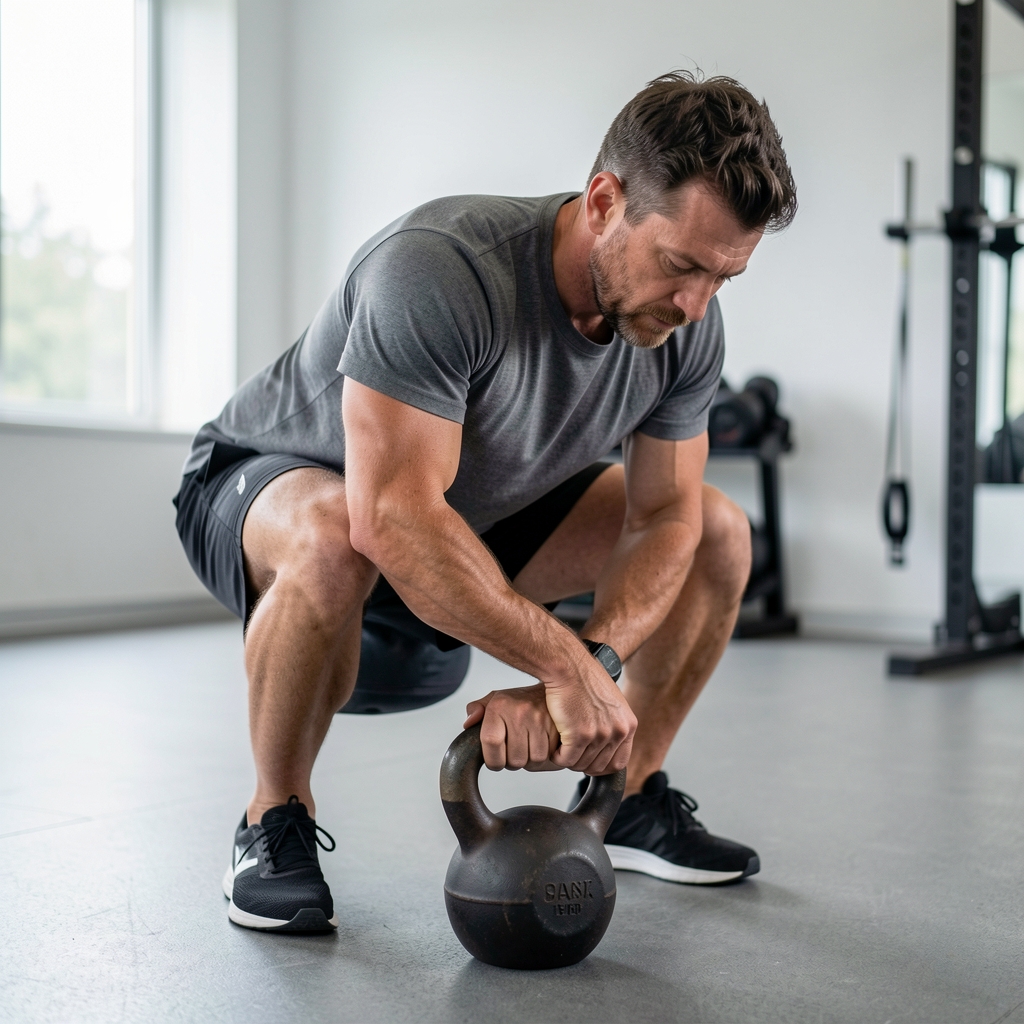
A movement-led look at training that resembles the demands of daily life. Published 2026.
Zenith offers information for learning and discussion. It does not diagnose conditions, prescribe treatment, or replace individual advice from a licensed professional.
Our editorial approach